







We are hiring trauma therapists!

Evidence-based treatment for trauma—designed to help you feel better sooner

93%

no longer meet the criteria for PTSD after Nema treatment

Browser window icon with a star symbol in the lower right corner.
Treatment length
39 days on average*
Outline of a human head with a thought bubble containing a question mark.
What we treat
Trauma & stress-related conditions like PTSD, C-PTSD, acute stress disorder & more
Simple stylized icon of a stopwatch showing time at approximately 4:00.
Commitment
~3 sessions per week for about a month
Simple icon of two people side by side representing a group or users.
Who we treat
Trauma survivors 18 years and older

We're in-network with major health insurance plans

Check your coverage
Major plans accepted
Text image displaying the word 'Oscar' in bold, white letters on a transparent background.
Optum company logo in white font.
Blue Cross Blue Shield logo with text encouraging to check local plan for coverage.
Also accepted: ConnectiCare, Harvard Pilgrim, Mass General Brigham, UMR, and more.
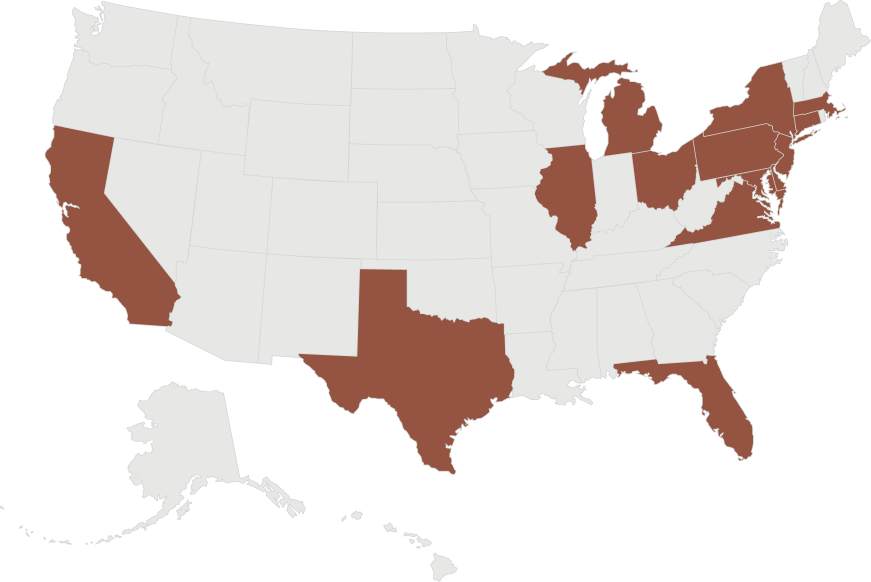
Map of the United States with California, Texas, Florida, Michigan, Illinois, Ohio, Pennsylvania, New York, Massachusetts, New Jersey, Maryland, and Virginia highlighted in brown.

Nema is available in the following states

California, Connecticut, Delaware, Florida, Illinois, Maryland, Massachusetts, Michigan, New Jersey, New York, Ohio, Pennsylvania, Texas, Virginia, Washington, D.C.

What Nema care looks like

Phase 1: Evaluation

Get an accurate diagnosis and a plan designed for you
1-7 days on average
The first step is a 75-minute clinical evaluation where we'll talk about what's been going on, how you're feeling, and what you're hoping to accomplish. By the end, you'll have a clinical diagnosis, a personalized care plan, and clarity on your next steps.
What you'll receive:
  • A clinical diagnosis of your current mental health conditions
  • A personalized care plan tailored to your needs
  • Safety planning (if appropriate)
  • Coordination with others involved in your care (if appropriate)
  • Medication evaluation or other steps to set you up for long-term success (if appropriate)
Finding the right treatment fit: We'll discuss whether the best next step in your care is Nema — or if something else would better meet your goals. If it's not us, we'll let you know and help you get there.
Timeline: Some people complete the evaluation phase in one day. Others may benefit from more support and move forward after a week or two.
See details
chevron-down

Phase 2: Intensive Care

Address your trauma symptoms and get you feeling better fast
3–6 weeks
Once we agree Nema treatment can help you, we'll begin intensive care. You'll meet with your therapist multiple times per week for structured trauma therapy, learn new skills in every session, and practice what you're learning between appointments. By the end, most patients have significantly reduced trauma symptoms and feel ready to rebuild their lives.
What happens in sessions: You'll meet with your therapist 3–5 times per week. Each session focuses on a specific skill or concept — like identifying thought patterns, managing intense emotions, or challenging beliefs that keep you stuck. You'll work on the many ways trauma can affect your life: your sense of safety, ability to trust, your self-esteem, and the impact on personal relationships. Your therapist customizes every session to what you're working through.
Treatment modality: We start PTSD treatment with Cognitive Processing Therapy (CPT) because it's one of the most proven PTSD treatments available, backed by decades of research, and shown to create benefits that last years after treatment ends. Learn more about the evidence for CPT.
What happens between sessions: You'll complete assignments that help you apply what you learned in real situations — [noticing triggers, practicing grounding techniques, or testing out new ways of thinking]. This is where the work becomes part of your life, not just something you do in therapy.
What most people experience: 93% of patients no longer meet criteria for PTSD after completing this phase. Patients have said treatment felt life changing. You'll notice real change: sleeping better, feeling less on edge, able to trust yourself and others again, being present with people you care about, no longer avoiding reminders of the trauma, regaining your sense of safety and self-worth, etc.

The goal is to unwind the scary beliefs that keep you from moving forward and help you finally feel differently about yourself and the world around you.
See details
chevron-down

Phase 3: Ongoing Recovery Support

Thrive long-term by building on your progress with continued care
8+ months
After intensive trauma work, healing evolves. The focus shifts from treating trauma to living after it. We call this phase Rise—our 8+ month recovery program designed to help you rebuild safety, trust, power, control, and intimacy. Through Rise, Nema continues to be a support system as life unfolds.
What Rise includes:
  • Individual therapy sessions tailored to your recovery goals
  • Skills-based groups (such as DBT skills)
  • Peer support and community connection with other survivors
  • [Other resources personalized to your goals — placeholder for clinician to specify]
You'll work on the parts of life that trauma impacts most — like relationships, self-worth, and finding meaning — with support that adapts to where you are.
Our commitment: Together, we'll make sure you feel grounded and equipped for what's next.
See details
chevron-down
OUTCOMES SNAPSHOT
93% no longer meet PTSD criteria after Nema treatment
Patients that go through our treatment get better and stay better. Their PTSD, depression, and anxiety symptoms decrease and by day 90 still report that the symptoms haven't returned.
See our evidence
Blurred close-up of orange and gray text characters on a light background.
Outpatient therapists
Psychiatrists
Timeline to recovery
4-6 weeks
Up to 10+ years
Varies
Wait time
None
6+ weeks on average
8+ weeks on average
Can prescribe medication
No
Uses evidence-based
trauma protocols
Depends on therapist training
Unlikely
Support outside sessions,
peer support, and groups
Sometimes
Unlikely

What happens in treatment

Nema's treatment is built around Cognitive Processing Therapy (CPT), one of the most proven treatments for PTSD. CPT doesn't require you to relive or recount every detail of what happened. Instead, you'll identify the beliefs trauma left behind —like guilt, self-blame, and fear—examine them in a systematic way, and update them into more accurate perspectives. You'll also discuss the impact of the trauma, which can reduce the power it has over your day-to-day life. Research shows these improvements last 5–10 years or longer.

Steps to expect before treatment

î €
  1. Complete a quick info call: A short call to understand what you’re looking for and answer practical questions.
  2. Verify insurance: We’ll review your benefits (or self-pay options) so there aren’t surprises.
  3. Book your clinical evaluation: A licensed clinician will assess symptoms, confirm diagnosis, review safety, and recommend a plan.
  4. Complete your evaluation forms: These questionnaires help your clinician prepare and track progress over time.
check mark
Identify trauma-related beliefs
ex: “I should have prevented it.” “If I relax, something bad will happen.”
check mark
Test those beliefs with structured exercises
ex: practice checking thoughts in-session and between sessions, using guided questions.
check mark
Update them into more accurate and helpful perspectives
ex: “I’m never safe” → “I can take reasonable precautions and still live my life.
check mark
Reduce the influence of the trauma on current thoughts and decisions
Make choices based on your values and goals, not fear, guilt, or shame
Nema’s patients find lasting peace
“It is such a gift to feel better, to feel like I'm coming home to my true self and be able to exist in the present moment. When I'm startled by something, I'm much more easily able to 'recover' or return to the safety of the present moment.”
“I am so thankful as I feel your work with me has a ripple effect in my family.”
“I am grateful for the safe space that Nema Health has allowed me to be vulnerable, authentic about my trauma, and to heal. I am thankful for all the support that I have received.”
“I will recommend Nema Health to everyone I know who needs it. Thank you so much for changing my life.”
"I am literally tearing up as I am writing this. This was the only time I have ever felt seen in my entire life. I felt understood and heard yet also challenged. I truly could not have found someone better for me.”
Mosaic of four diverse adults with natural, outdoor backgrounds featuring landscapes and greenery.
Real People, Real Outcomes
88%
reduction in PTSD symptoms after Nema treatment
A physical therapist who witnessed repeated deaths working during the COVID pandemic
95%
reduction in PTSD symptoms after 3 months of Nema treatment
Person who experienced armed robbery and sexual assault
88%
reduction in PTSD symptoms after Nema treatment
First responder in NYC during 9/11
87%
reduction in PTSD symptoms after Nema treatment
A person who experienced abuse and neglect as a child
97%
reduction in PTSD symptoms after Nema treatment
A person who experienced domestic violence and childhood abuse

Frequently asked questions

See all FAQs

Do you offer EMDR?

î €

A lot of patients request EMDR because it's widely known and often mentioned in popular media. While EMDR is popular, it is not first-line in most practice guidelines and has less evidence than other therapies. 

‍
At Nema, all of our therapists are trauma specialists cross-trained in CPT, PE, and EMDR. We always start with CPT first because it doesn’t require re-exposure like PE or EMDR, and it has data to show that symptom improvements last for 5-10 years or longer. 

Do you treat C-PTSD?

î €

Yes, we do. From current research, C-PTSD is a variant of PTSD that includes personality changes, attention issues, and struggles such as substance use or self-harm due to prolonged interpersonal trauma. Our program supports patients through grounding, DBT skills, case management, meds, peer support and 1:1 trauma therapy. 

CPT can work particularly well for C-PTSD because it focuses on processing the impact of trauma across life domains, including safety, trust, self-esteem and intimate relationships.

What kinds of trauma / conditions do you treat?

î €

Trauma occurs when you experience or witness something life-threatening or overwhelming that exceeds your ability to cope. Common traumas include domestic violence, sexual assault, physical violence, medical trauma, childhood abuse, car accidents, natural disasters, war and combat, pregnancy loss, and gun violence.

These experiences can lead to PTSD, C-PTSD, acute stress disorder, adjustment disorder, and other trauma and stress-related disorders. If you've been through something difficult and are struggling, we're here to help—schedule a free information call to learn more.

Not sure if that sounds like you? Common symptoms our patients report include:

• Intrusive thoughts & flashbacks: Flashbacks, nightmares, and unwanted thoughts or emotions that surface without warning, including strong reactions to reminders of the trauma.

• Avoidance: Steering clear of people, places, or thoughts that are reminders of what happened.

• Hyperarousal: Persistent tension, feeling on edge, irritability, sleep disturbances, or difficulty concentrating.

• Negative changes in mood: Hopelessness, disinterest in life, feeling disconnected from yourself or distant from loved ones.

How does Nema treatment work? What kind of treatment do you use?

î €

Nema's treatment is built around Cognitive Processing Therapy (CPT), a first-line treatment for PTSD with a large randomized evidence base. Unlike some other trauma therapies, CPT doesn't require you to relive or recount every detail of what happened — instead, it helps you identify and work through the beliefs trauma left behind, like guilt, self-blame, and fear. Research shows symptom improvements from CPT last 5–10 years or longer.


Here's what to expect:

  • Sessions: 2–3 virtual therapy sessions per week with your dedicated therapist
  • Assignments: Short exercises between sessions to help you apply what you're working on in therapy
  • Peer support: In addition to your therapist sessions, you’ll have regular check-ins with a peer navigator who has lived experience with trauma recovery‍
  • Duration: Most patients complete intensive treatment in 12 sessions over 4-6 weeks

CPT works by helping you examine the beliefs trauma left behind — the guilt, the self-blame, the fear—rather than requiring you to relive every detail of what happened. It's designed to be both effective and sustainable, so you can heal at a pace that feels safe and supported.

What if 12 sessions isn't enough? That sounds too short for what I have been through.

î €

We hear this a lot—and it's a fair question. CPT is specifically designed to be a structured, time-limited treatment, and that's actually part of what makes it so effective. 93% of patients who complete Nema's program no longer meet the criteria for a PTSD diagnosis. The research shows that more sessions don't necessarily mean better outcomes—in fact, a focused, structured approach tends to produce more lasting results than open-ended therapy.


That said, Nema support doesn't stop at 12 sessions. After completing intensive treatment, patients can transition into our third phase of care — Rise. Rise is Nema's ongoing care program, which provides continued peer support, skills-based groups, and one-on-one check-ins for up to 10 months. It's designed to help you build on the progress you've made and support your long-term recovery.

What happens during Phase 3: Ongoing Care (Rise)?

î €

While Nema’s first two phases of care focus on diagnosis and symptom alleviation, our third phase is for Ongoing Care, also known as Rise. Rise’s goal is to support your recovery by building skills and connections for you to thrive. As you near the end of Phase 2: Intensive Care, your therapist and peer navigator will work with you to build a Rise Care Plan built off of your personal goals and preferences. As you transition from Intensive Care to Rise, you will have access to 1:1 sessions, peer support groups, skills-based groups and more. Throughout Rise, we build in 1:1 check-ins to ensure you are getting the most of this program. 

Can I see a therapist in-person?

î €

Nema is a fully virtual program, so all sessions are conducted online. This also means you can access care from the comfort of your home, wherever you are in the states we serve.

I need medication management. Can Nema help?

î €

Yes. Your Nema treatment includes an option for medication management if necessary. Our psychiatrists provide medication evaluation and management as part of your integrated treatment plan, not as a standalone service.

PTSD responds best to therapy, but medication can be helpful for managing co-occurring symptoms like depression, anxiety, or sleep challenges. Your psychiatrist and therapist work together to determine whether medication would support your recovery and ensure everything is coordinated as part of your care plan.

Can I do therapy just once per week?

î €

You and your therapist will work together to build a schedule that fits your needs and availability. Part of what makes Nema effective is the concentrated, intensive delivery of evidence-based treatment — but we understand that life isn't always predictable, and we're flexible when weekly schedules need to shift.

Do you offer ongoing talk therapy?

î €

Our primary focus is trauma treatment. After completing treatment, we offer up to 10 months of continued support to help you transition from active treatment into long-term recovery. This third phase of Nema, called “Rise” is designed to empower you with tools, confidence, and stability as you move forward.

If you're looking specifically for ongoing weekly talk therapy focused on general life stressors rather than trauma treatment, we’re happy to help connect you with an outpatient talk therapist toward the end of Phase 2: Intensive Care to ensure you have the right long-term support in place.

Can my loved one join a session/ do you offer couples counseling?

î €

Because trauma affects each person differently — even when two people experience the same event — our treatment is highly individualized. Each person goes through their own program, though partners can go through treatment at the same time if both are seeking care.

We also offer support system sessions for loved ones who want to understand your treatment and learn how to best show up for you. Many partners come to Nema after seeing the progress their loved one has made and wanting to be more equipped to help.

Do you treat patients under 18?

î €

Not at this time — Nema currently treats adults 18 and older. If you're looking for care for a younger patient, we're happy to help point you toward appropriate resources.

Ready to start feeling better?

Start healing now

Our values

Lorem ipsum dolor sit amet, consectetur adipiscing elit, sed do eiusmod tempor incididunt ut labore et dolor

Passion And Love - Healthful X Webflow Template

Passion & Love

Duis aute irure dolor in reprehenderit in voluptate velit esse cillum dolore eu fugiat nulla pariatur

Wellbeing - Healthful X Webflow Template

Wellbeing

Duis aute irure dolor in reprehenderit in voluptate velit esse cillum dolore eu fugiat nulla pariatur

Impactful - Healthful X Webflow Template

Impactful

Duis aute irure dolor in reprehenderit in voluptate velit esse cillum dolore eu fugiat nulla pariatur

Autonomy - Healthful X Webflow Template

Autonomy

Duis aute irure dolor in reprehenderit in voluptate velit esse cillum dolore eu fugiat nulla pariatur

Accessibility - Healthful X Webflow Template

Accessibility

Duis aute irure dolor in reprehenderit in voluptate velit esse cillum dolore eu fugiat nulla pariatur

Stability - Healthful X Webflow Template

Stability

Duis aute irure dolor in reprehenderit in voluptate velit esse cillum dolore eu fugiat nulla pariatur